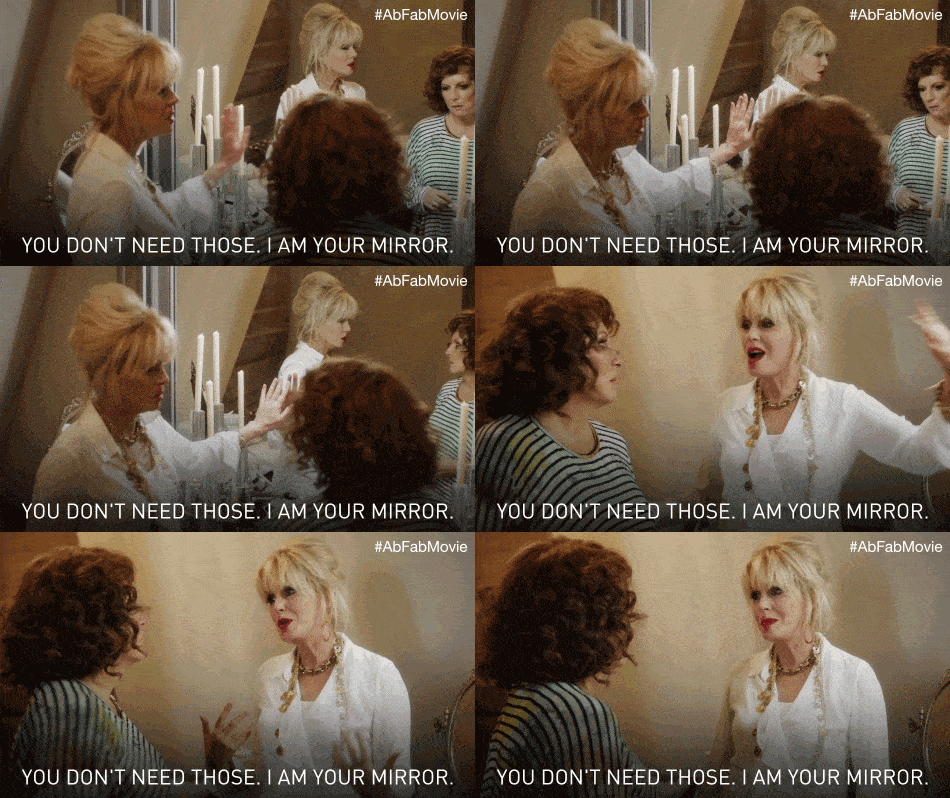
Do you remember that bit in the AbFab series when Edina is turning 40 and her ex husband's new wife Bo (the hilarious Mo Gaffney), already in her 40s, is feeling really “sorted out” about birthdays…
I mean, golly, I wish I could tell her it's no big deal. I had a ball on my 40th birthday. I felt really strong, really sorted-out about it. I realized what a lucky, wonderful person I was. And whether in your 30s or your 40s, you're still the same gorgeous person. Enjoy life!
…only to hyperventilate at the mention of her own impending 50s? I kept thinking about that bit during the new AbFab movie. Well, that one and Bo's other most-quoted line amongst my friends “I love old things,” which must always be said whilst casually placing your hands on your friend's shoulders.
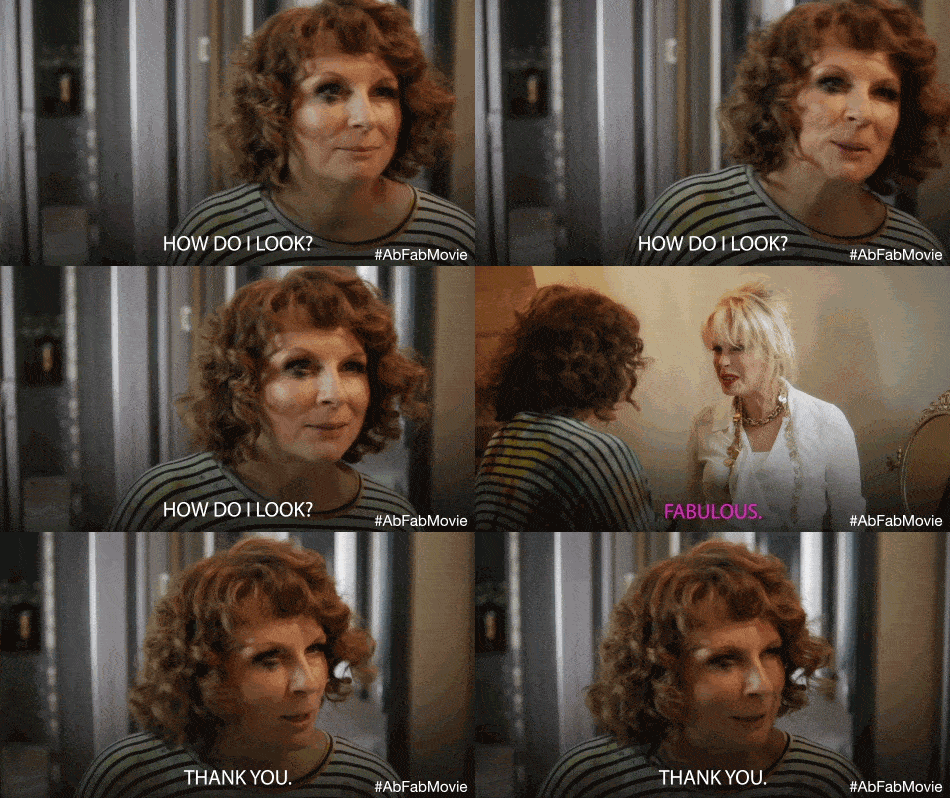
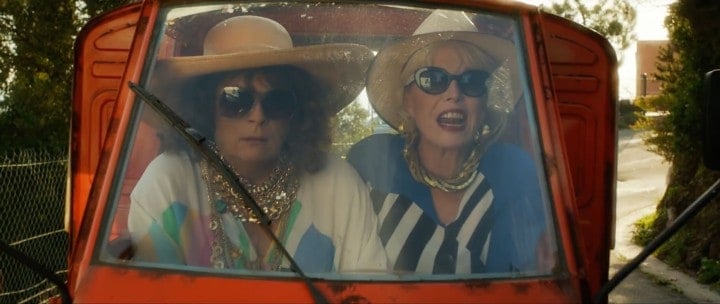
If you missed ABSOLUTELY FABULOUS THE MOVIE this weekend (you'd better have a doctor's note) you'll be happy to know that Bo and the rest of the sideshow circus of the classic Britcom are back for cameos in the new adventure. But the joke is still the same.
When AbFab started a… uh… quarter century ago [*hyperventilating*] so much of the comedy sprung from the fact that Edina and Patsy, played by the genius Jennifer Saunders and Joanna Lumley, were too old for their antics. Their worlds (fashion and PR) tended to idolize teenagers in designer wear. Twenty-four years later, they're even older and so's the joke, but it's still damn funny.
Comedies are among the hardest movies to review — which is why I haven't really done so — because it comes down to how much you laugh. The new film is more of a mini new season than a supersized “Movie” as the title promises but who wouldn't want another season? It's a joy: the celebrity cameos, especially Joan Collins, Dame Edna, and Jean-Paul Gaultier's are silly fun; Joanna Lumley still has the power to generate guffaws with a simple grimace or smile; the Pats/Edina chemistry remains absurdly perfect in its hermetically sealed bubble. And, finally, the ongoing “they killed Kate Moss” plot device, which kicks the movie into its main gear, has a perfect throwaway punchline on the beach.
Since everyone reading Towleroad will have Absolutely Fabulous tendencies let's extend the net for this weekend's adventure. Here's this weekend box office estimates with links to previous reviews
TOP WIDE RELEASE
- STAR TREK BEYOND $59.6
- THE SECRET LIFE OF PETS $29.3
- GHOSTBUSTERS $21.6
- LIGHTS OUT $21.6
- ICE AGE COLLISION COURSE $21
- FINDING DORY $7.2
- THE LEGEND OF TARZAN $6.4
- MIKE AND DAVE NEED WEDDING DATES $4.4
- HILLARY'S AMERICA $3.7
- THE INFILTRATOR $3.2
TOP LIMITED RELEASE
- KABALI (Bollywood) $2.1
- ABSOLUTELY FABULOUS THE MOVIE $1.8
- CAFE SOCIETY (Woody Allen) $875K
- HUNT FOR THE WILDERPEOPLE $584K
- CAPTAIN FANTASTIC $572K
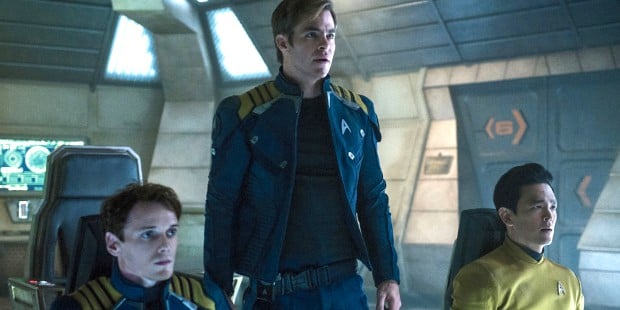
Sulu doesn't have as much to do in STAR TREK BEYOND as we'd hoped after that overhyped but welcome “coming out”; you see his husband and daughter a few times in the background of scenes which is nicely inclusive though. It's even sadder that Chekhov has almost nothing to do as this was our last chance to see Anton Yelchin (RIP) in his Starfleet uniform. Beyond moves briskly with no dull spots, is surprisingly funny and well designed visually. Idris Elba makes for a terrifying villain. It's worth a watch if you like Star Trek as its one of the stronger entries in that exhaustive franchise. More the underlying hopefulness of this franchise's message remains a tonic for sci-fi's otherwise dystopic tendencies.
Speaking of utopias and dystopias…
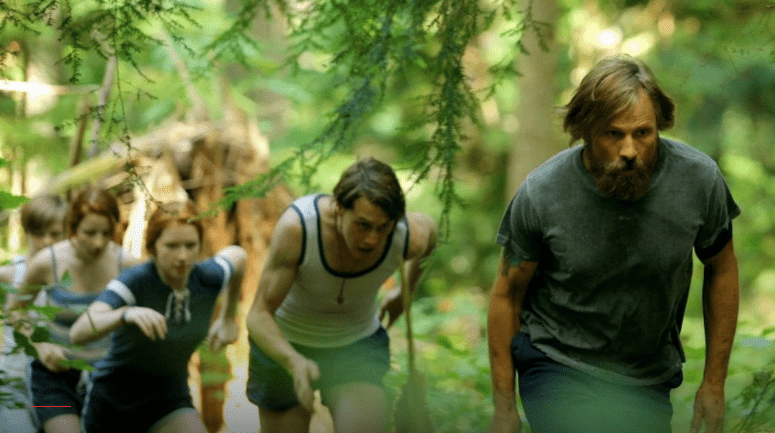
Please see CAPTAIN FANTASTIC, which just added dozens of new theaters in limited release, starring the always delicious-to-look-upon Viggo Mortensen. In a movie culture increasingly homogenized by superheroes, animated family comedies, sequels and brand extensions, it's a rare treat to find a movie made for adults with thought-provoking substance. At least it's unusual outside of Oscar season.
In Captain Fantastic Viggo stars as the intellectual atheist father of a large family. He's home-schooled his children in the forests of the Pacific Northwest, cut off from society. The kids are multilingual, smart, and strong but do they have skills for the real world? When his wife dies (beginning of the movie, not a spoiler) he is forced to reenter civilization to attend to the funeral. The film is a moving mix of coming of age story (George Mackay, best known as the young photographer in the great LGBT comedy Pride, plays Viggo's eldest son), and provocative sociopolitical family drama. Their relatives (played by Kathryn Hahn, Steve Zahn, Ann Dowd, and Frank Langella) don't understand and can barely tolerate the family's exit from society.
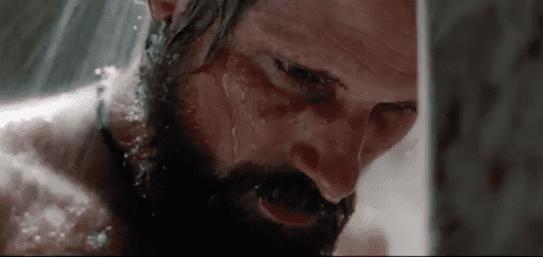
As you can guess the movie is hard to describe and therefore hard to market but it's terrific. Its achievements are many from Viggo's complex performance (including a chill but confrontational full frontal scene “It's just a penis; Every man has one.”) to its nuanced politics and fascinating debates about education. Captain Fantastic is not easy to shake but it's most definitely worth a watch.