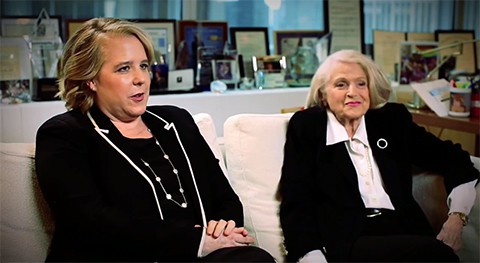
As the Supreme Court's consideration of same-sex marriage draws closer, the Human Rights Campaign (HRC) and über gay rights litigator Roberta … [Read more...] about HRC and DOMA Lawyer Roberta Kaplan Launch ‘The People’s Brief’ – VIDEO
Edie Windsor
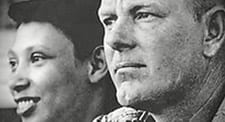
Gay Texas Couple Was First To Obtain Marriage License 42 Years Ago, But Did They Help Or Hurt The Movement?
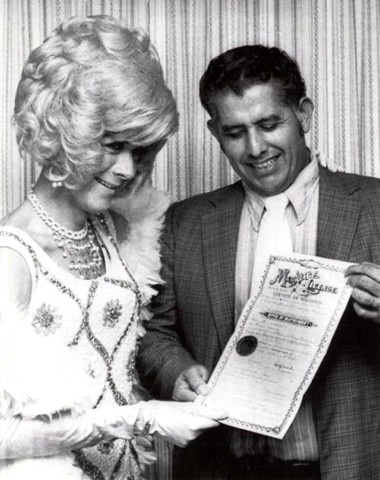
Forty-two years ago, two men obtained a marriage license in Wharton County, Texas — in what was one of the nation's first government-recognized … [Read more...] about Gay Texas Couple Was First To Obtain Marriage License 42 Years Ago, But Did They Help Or Hurt The Movement?
Edie Windsor Urges Florida Governor Rick Scott to Stop Fighting Gay Marriage – AUDIO
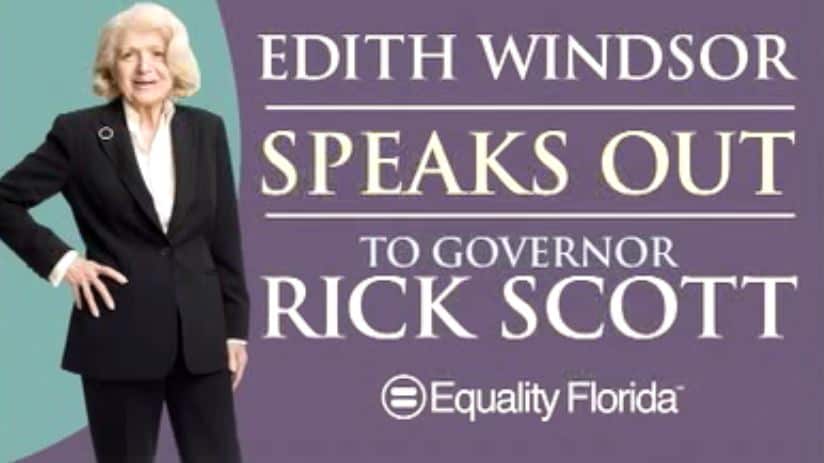
Edie Windsor has a message for slimy Florida Governor Rick Scott, who continues to hide his fight against marriage equality behind Attorney General … [Read more...] about Edie Windsor Urges Florida Governor Rick Scott to Stop Fighting Gay Marriage – AUDIO
Rachel Maddow Looks At SCOTUS’ October Surprise, Interviews ‘Incredibly Joyous’ Edie Windsor: VIDEO
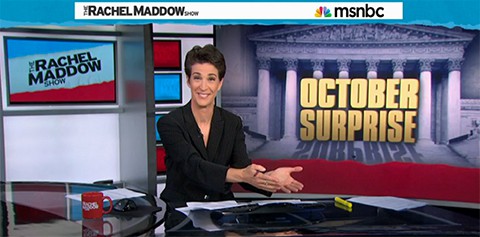
Yesterday, in the wake of the Supreme Court's refusal to take up any of the seven marriage equality cases pending before it, our own Ari Ezra … [Read more...] about Rachel Maddow Looks At SCOTUS’ October Surprise, Interviews ‘Incredibly Joyous’ Edie Windsor: VIDEO
Marriage Equality Comes to Arkansas: A Legal Analysis
The plaintiffs in Wright v. Smith argued that the Arkansas ban on same-sex marriage was unconstitutional. That ban, which was put on the ballot … [Read more...] about Marriage Equality Comes to Arkansas: A Legal Analysis
Justice Ginsburg Calls Edie Windsor ‘Such A Well-Chosen Plaintiff’
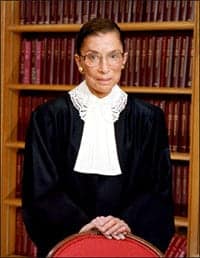
Supreme Court Justice Ruth Bader Ginsburg is a badass. I know because last March, I had the privilege of witnessing the oral arguments in United … [Read more...] about Justice Ginsburg Calls Edie Windsor ‘Such A Well-Chosen Plaintiff’
President Obama Thanks Edie Windsor in the Oval Office: PHOTO
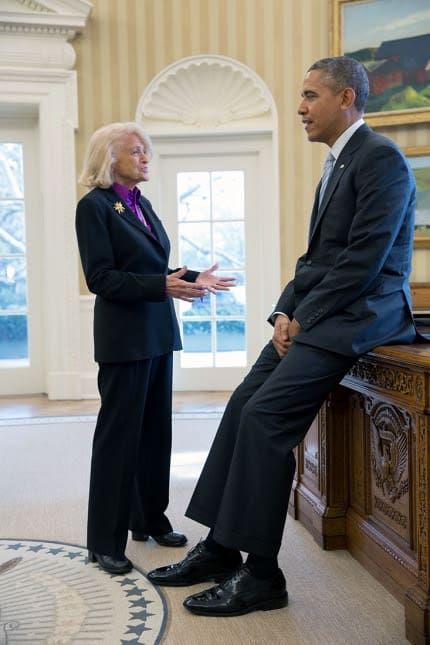
President Obama invited DOMA plaintiff Edie Windsor to the France State Dinner this week and thanked her in the Oval Office at a separate meeting, … [Read more...] about President Obama Thanks Edie Windsor in the Oval Office: PHOTO
Edie Windsor is a Finalist for TIME ‘Person of the Year’

TIME managing editor Nancy Gibbs has named the shortlist for the magazine's annual 'Person of the Year' issue, and it includes DOMA … [Read more...] about Edie Windsor is a Finalist for TIME ‘Person of the Year’
NEWS: NSA Surveillance, Katy Perry, Teen Sexting, Darren Young’s Boyfriend, Joseph Gordon-Levitt

On-again, off-again: Beyonce and her hair have gotten back together. 6.5 magnitude quake rocks New Zealand. Gaga's fans are, um, dedicated. … [Read more...] about NEWS: NSA Surveillance, Katy Perry, Teen Sexting, Darren Young’s Boyfriend, Joseph Gordon-Levitt
Triumphant DOMA Plaintiff Edie Windsor Rides as Grand Marshal in NYC LGBT Pride Parade: VIDEO
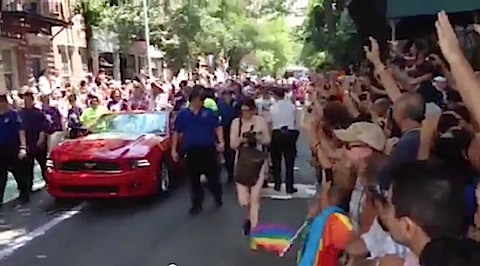
Let the joyous news be spread, the wicked old DOMA at last is dead!Watch, AFTER THE JUMP...Said Edie: "If somebody had told me 15 years ago that … [Read more...] about Triumphant DOMA Plaintiff Edie Windsor Rides as Grand Marshal in NYC LGBT Pride Parade: VIDEO